


| @ |
 |
Formal Name |
@Sengan-en Tsuketari
@Kekuraokariyateien |
@Year of Completion |
@1658 |
Area |
@50,000m2 |
@Designation as Scenic Beauty |
@May 15,1958 |
| |
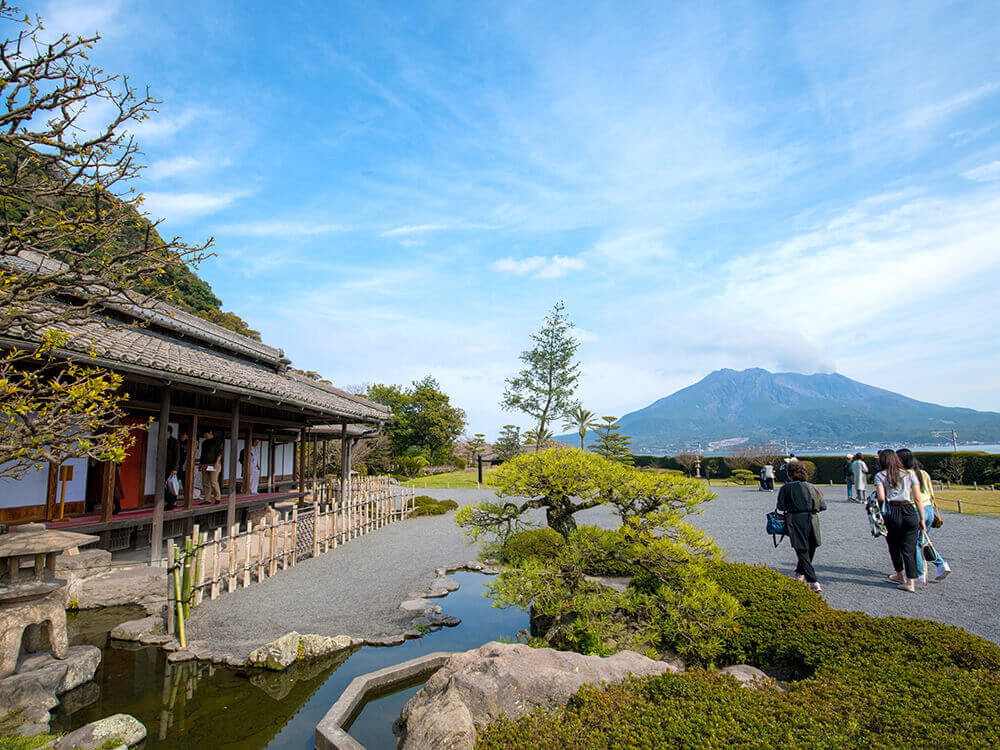
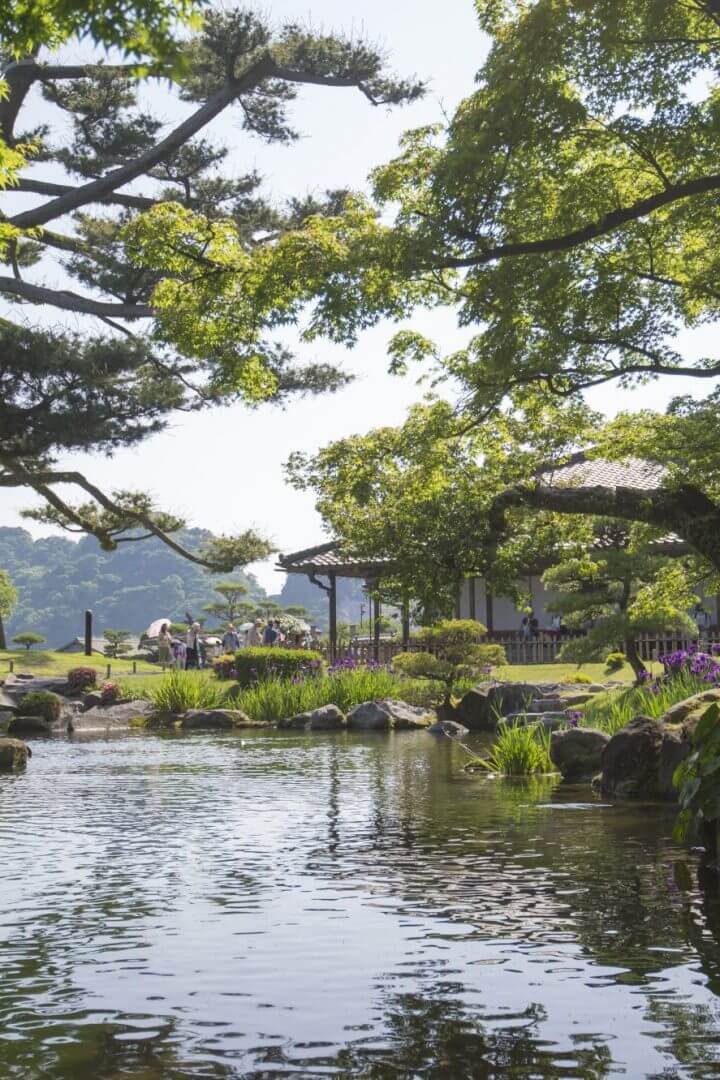
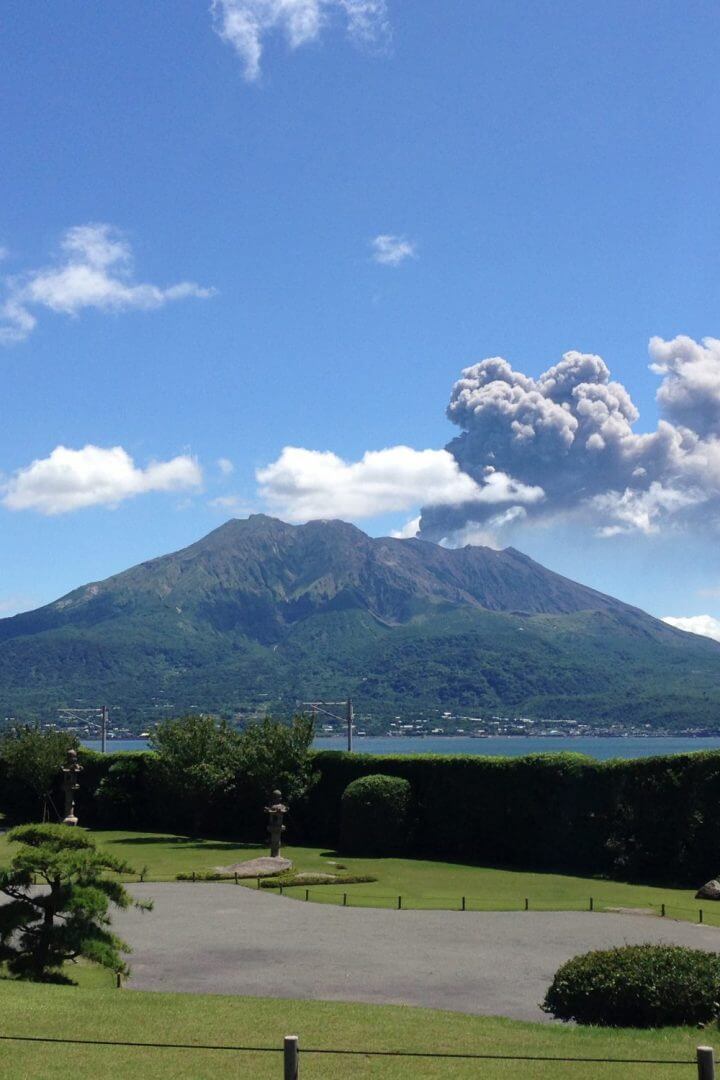
ŸGarden making use of the surrounding landscape: likened Sakurajima to its own mountain, Kinko Bay to the pond
Sengan-en was built by Mitsuhisa, the 19th head of the Shimadzu family in the early Edo period, and its name was given after Xian Yan in lung hau shan of China. ( Xian Yan in Chinese characters is pronounced "Sengan" in Japanese.)
This daimyo's garden fascinates not only local people but also tourists from home and abroad with its beauties of four seasons and also the spectacular view making use of Sakurajima as its background mountain and Kinko Bay as inside pond.
ŸJapanese garden harmonized with Chinese culture
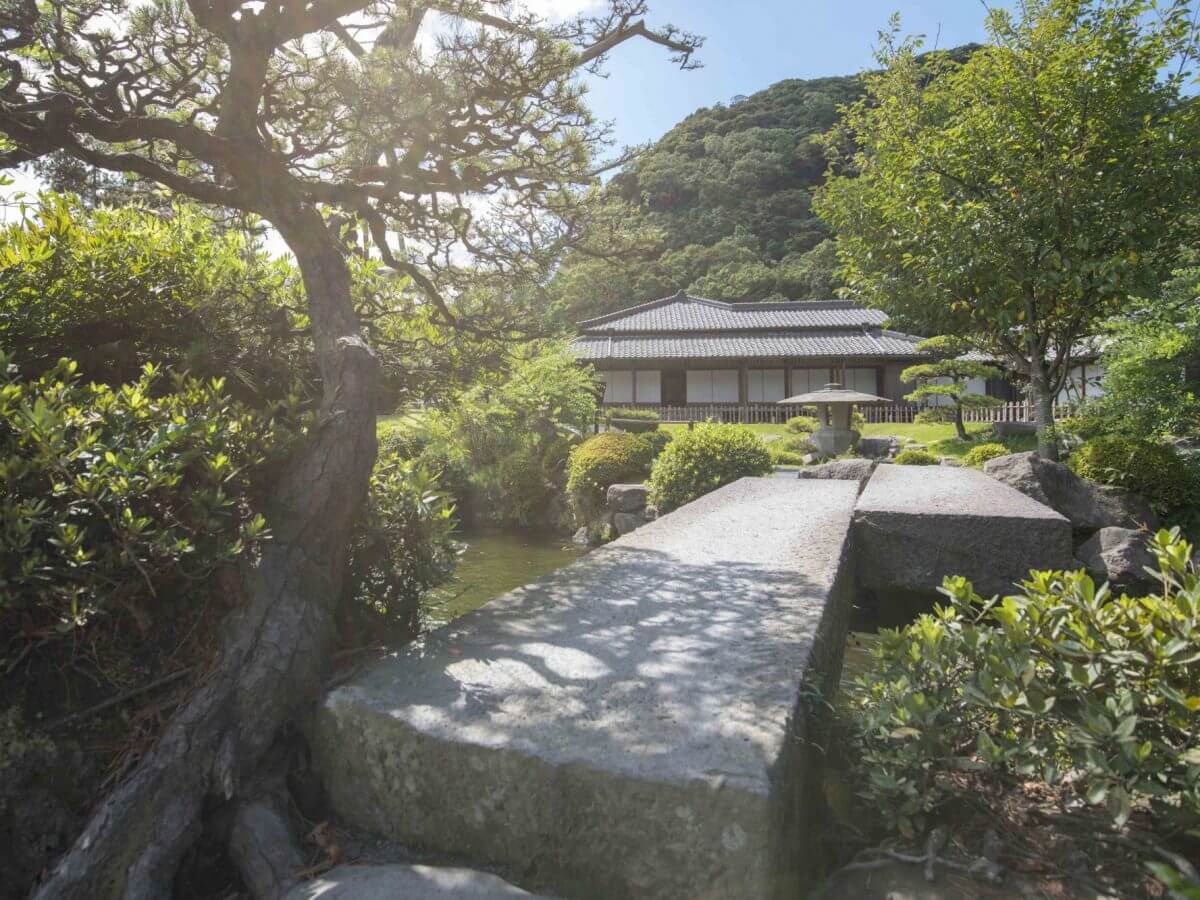
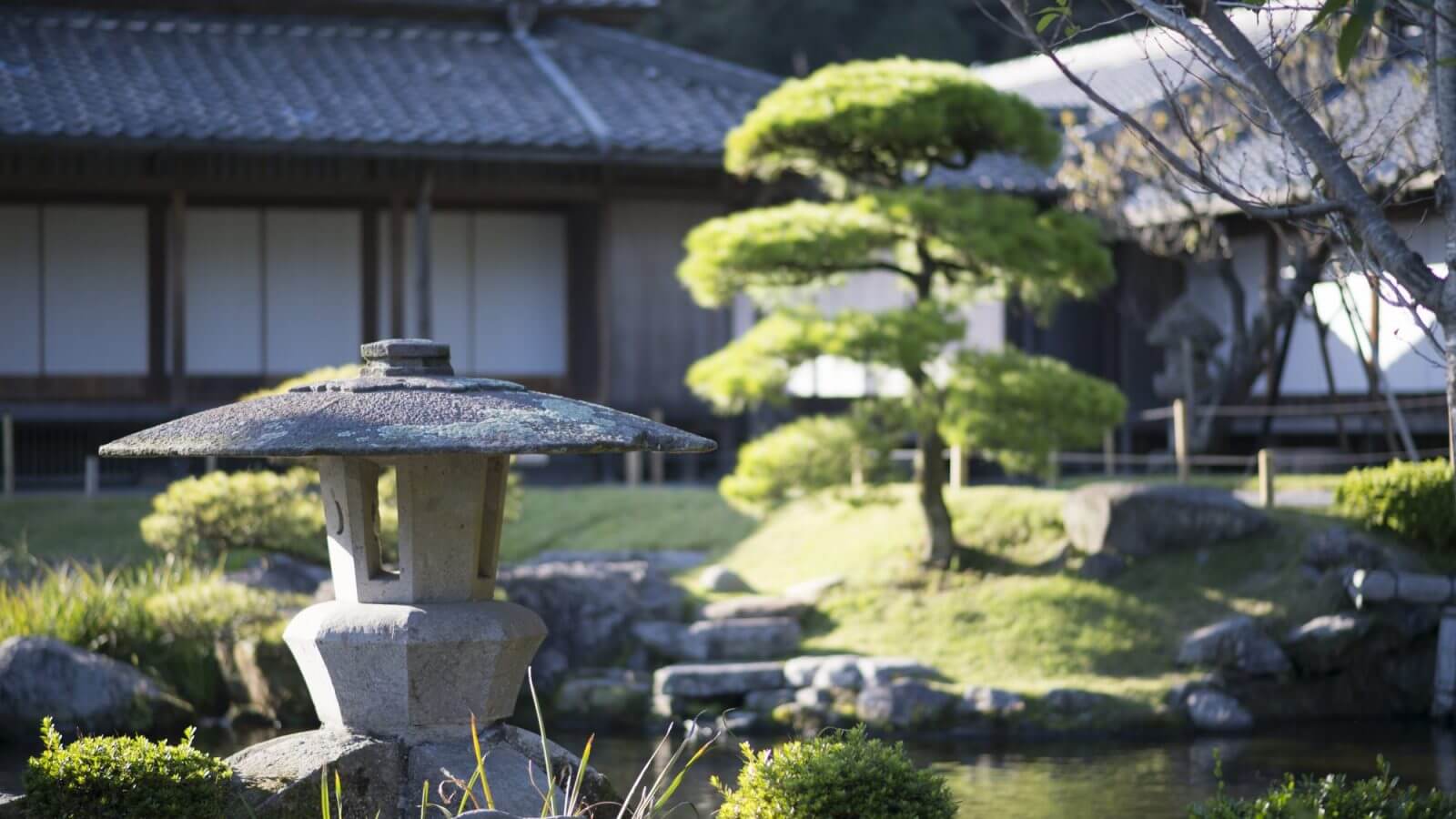
Satsuma was a south door of Japan. The Shimadzus governing there was aggressive to receive things Chinese via Ryukyu Kingdom, and, as a result, influenced by the Chinese culture. Under such environment, Chinese gardening methods was applied in many places of Sengan-en though it was actually Japanese garden, so it shows unique harmonized beauty.
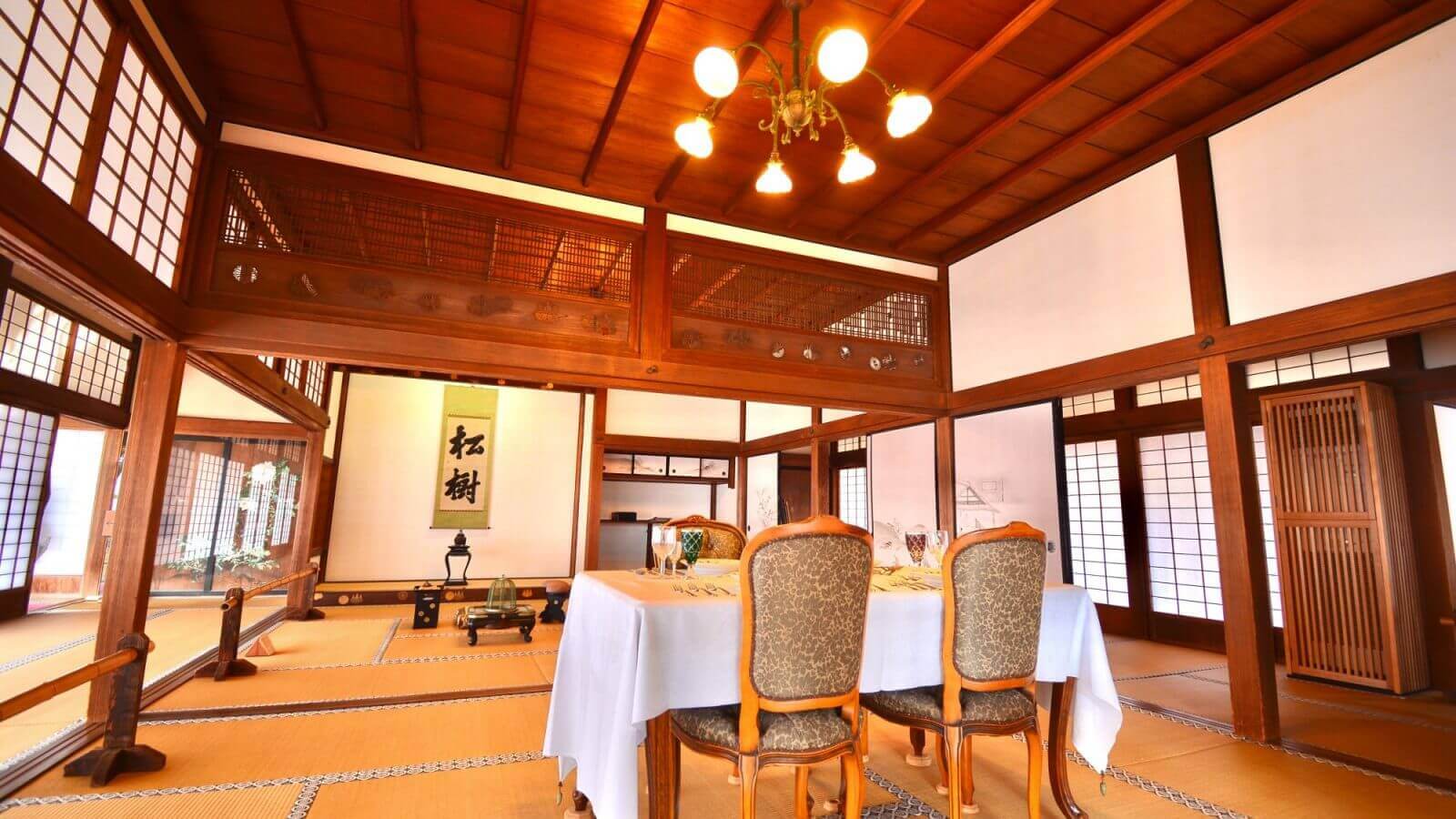
They say that Bogakuro Pavilion, a Chinese style building, presented by a Ryukyu king, was used when feudal lords of Satsuma entertained missions from Ryukyu Kingdom. The floor was copied from the tile-made floor of Epang Palace in the beginning of Qing Dynasty, and the handwriting in the frame from that of Wang Xizhi at the time of Jin Dynasty in the 4th century. Chinese characters "çqŠÞ" were curved on the rock in the hill behind the house.
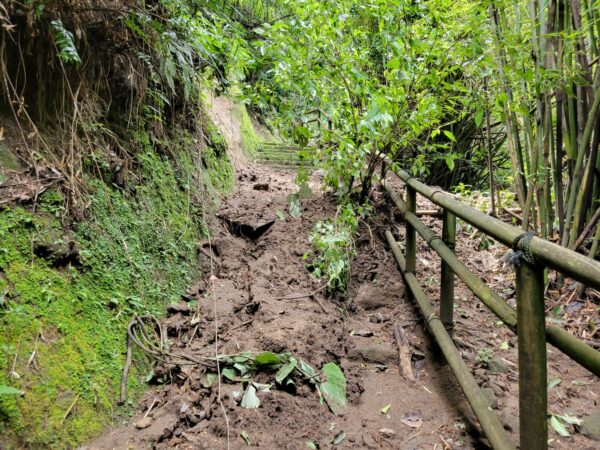
These curved characters were often seen in Chinese style gardens. The backyard has Kyokusui Garden where Kyokusui banquets, originated from the purification ceremony in China, used to be conducted. In further back, there is Konan Chikurin(Bamboo Grove) where imported Phyllostachys edulises or Moso Bamboos form China were planted in the middle of Edo Era. This Moso
Bamboo spread all over Japan from this garden. It is said that they made Kyokusui Garden and Konan Chikurin, highly motivated by Lanting or the Orchid Pavilion which was a villa of Wang Xizhi located in Lanzhu, Shaoxing City, Zhejiang Province of China. Thus, the influence of Chinese culture can be seen in many parts of Sengan-en. |
![–]›Ô˜O](history_photo2_1.jpg) |
 |
 |
![]“ì’|—Ñ](history_photo2_4.jpg) |
| Bogakuro Pavilion@ |
Senjingan |
Kyokusui Garden |
Konan Chikurin
(Bamboo Grove) |
|
|